


The Fund offers investors the opportunity to invest directly in a range of Registered First Mortgages over predominately residential but also limited non-residential property.
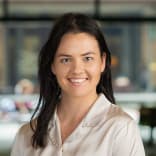
This podcast features Shelby Clark, COO of GPS and “Fund Mum” of Arkus – an investment fund designed for accessibility and flexibility. Arkus offers a $1 minimum investment, monthly withdrawals, and a user-friendly approach, all backed by GPS’s 30-year track record in first registered mortgages. It caters to investors seeking practical, low-stress ways to invest without large upfront commitments.
This episode is a must-watch for anyone who wants to discover how Arkus is seeking to redefine income investing by blending innovation and simplicity with decades of investing expertise.
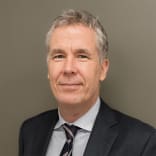
Hello, I'm Darren Connolly, CEO at Investment Markets. And today we're taking a bit of a different track. For many younger Australians, the dream of home ownership is fast becoming just that, a dream. Saving up a five or 10% deposit to buy a traditional suburban family home with the white picket fence is just unaffordable. It's not a realistic or practical option. The issues that have made this so are many and could be its own conversation. But the reality is that the younger generation have to deal with the situation they are in and try to identify what they can practically do about it. So to discuss where they're at, I'm delighted to be joined by Shelby Clark, COO of GPS Investment Funds and proud new fund mum. However, before we get into it, I need to remind you that this is general advice and general information only. and nothing in this podcast should be construed as an investment recommendation. You will need to decide what is right for you. Now, welcome Shelby. How did you get to be COO at GPS? How did Arkus come about? And probably most importantly, what is a fund mum?
Okay, so I have been in investor services and financial services for about 12 years. I started as a receptionist of a consumer leasing international franchise unit, and I worked my way into COO with them. And then after about four years, I decided I needed to change. I decided that I would try and find another role. It was basically impossible as a under 30 year old female who was a COO with about four years experience to find anywhere. So I have a master's degree in international business and marketing. So I figured I'd go and find a marketing role and see what comes about. So that's where GPS came in. They actually hired me as their head of marketing four years ago. Turns out that my love of operations, policy, and procedure was just too strong.
It wasn't marketing.
No, sadly. My calling was elsewhere. And so they promoted me into COO about a year later. And I've been that COO role now for about three years with GPS. And The Fund Mum is a new title that we added when we launched Arkus in July. And that has come about because Arkus is something that I had been working on for a number of years. It was a thought that was slowly forming and it got to the start of this year where I went, I think it's ready. I've got a fully formed idea. I know what I want to do. I pitched it to the board. The board said, yep, we like it, run with it. And then when we put it together and we launched it, putting a title of COO of GPS investment fund on it just felt odd. Yeah. Like the fund is quite, it's no jargon. It's more casual. It's supposed to be accessible, super flexible. That formal corporate title just, it just didn't work. So it's the fund mum bit came because the ladies in the office started calling me mama bear because I am so protective of Arkus and its investors are very important to me and then I don't actually know how it morphed into fund mum but it did and then it sort of just stuck and now I I love it. Anything Arkus related has got the fund mum attached to it and it's More, we weren't sure whether or not people were going to receive it well because it is so casual in a system that is so formal normally.
It's very different to what you would normally see for investment funds.
Yeah, and normally people they want to be known as the fund manager or they want like head of blah as a big fancy title where it just wasn't the Arkus vibe and we needed something that for retail investors would cement a person. Because I think when you're dealing with retail dollars, and this is people's hard-earned cash, I think they need to know that they can talk to somebody who specifically knows where their money is and what it's doing. So Arkus needed a grounding person. So it's worked out in about five different ways for the better. But yeah, I love it. I would ditch my COO tile and just be fund mom. It's way funner.
So Arkus basically is your baby.
Yeah.
So I won't go too far with that analogy. Let's just keep it there. But you did sort of intimate that it had been an idea that had sort of been growing with you for a while.
Yeah.
So tell us how the idea came about and what were the things that actually started you thinking about, we need to do something a little bit differently here.
Yeah, well, it actually came about because prior to working at GPS I knew what investing was, like, you know, my dad had dabbled in shares. I knew that it was something that I should do with spare money that I had around, but I was never sure what to do with it. And then when I started at GPS and I learned about first registered mortgages, I was like, these things are brilliant. You know, they are set and forget, relatively stable. The return wasn't anything outrageous, but you also weren't riding those highs and lows. Plus I was now immersed in GPS so I could see the 30 year history, how all that panned out and I went, I need in on this. Unfortunately, I didn't hit any of the entry markers that were traditionally in place for first registered mortgages. Like the GPS funds have a $10,000 minimum and that's very normal amongst first registered mortgages. And I was like, okay, well this is devastating.
It's hard to save up for.
Yeah, you're like, I don't have $10,000 sitting in the bank. And it's not something that, like that could take me years to get there. I was like, well, this isn't going to work for me right now. And then the longer I was in GPS, the more I sort of learned about the compliance requirements and all the legalities and all those fun things. And I went, a fund could exist that makes it easier, but it just hadn't been done. And so it took me a while to put it together and go, This is how it, in my ideal world, this is how it would operate. Then teaming that up with, can it actually work like that? Like legally and compliance wise, can it work? So then when we were building it, we started to take into account how I am one person, but I am representative of a generation. And there was generations that were not being targeted by the traditional funds, because, you know, they've done the same things for a long time. And they are probably very comfortable with the market that they play in. And I went, we can make change, we can do it better. So when you take into account everything that our generations now have to deal with, they are so different than what our parents or our grandparents were dealing with in a financial sense, but the fund had to be different, it had to do things differently. So that's why when you look at Arkus in comparison to anything else, there isn't anything else like it. You know, its $1 minimum came about because nobody has $10,000, even $5,000, $1,000 sitting in bank accounts to invest in something that they don't know what it is yet. They don't know how this world works. And that's a huge leap of faith for somebody to take. So we remove that hurdle. Start with whatever you've got. Dollar's the minimum. Test us out. Test out how you feel and go from there.
It's a lot lower barrier to entry for most people.
Yeah, like it just, the $10,000 minimum was wild to me. I just didn't, why was it so exclusive that it could only operate at that level? And then we added in the fact that the cost of living at the moment is hard. Like it is tight. People are scrimping and saving and just trying to get bills paid and earning everything that they can. Having a fund where you could only top up in big $5,000, $10,000 chunks, again, it's just not reality. People don't have that available. So funds that put that restrictions on people were just, why? I just didn't understand.
Well, they're probably catering to a much different audience.
Yeah.
Probably the audience who've already got a million dollars and they can afford to move some money around between different asset classes.
Yeah, exactly. And that very traditional group of investors with, you know, that you see in the 90s sitcoms.
It's a 65 year old white middle aged man.
Yeah.
Living in Sydney or Melbourne.
Yeah. Yeah. But somehow you imagine sitting in like a big boardroom table with like a whiskey and a cigar.
Like that's what... That's very Mad Men.
Yeah, it is, right? I think that's what like traditional investing has always looked like. But yeah, so we with Arkus, we do have the ability that you can top up pretty much whatever you want, whenever you want, you know, 50 bucks a week, $100 a month, whatever is spare, you can put in so that you're still building something and you're getting your foot in the door and you're getting started. It doesn't have that huge, like set hurdles for these big lump sums of money, which people just don't have. And then COVID. COVID changed everything. COVID changed so much in more ways than we probably still have yet to realize. But we have a generation now that worked through COVID, grew up through COVID, had our parents telling us stories of the good old days of the GFC. We know now that the world spins really fast. locking money away for months at a time just didn't feel right. And I was in it. I was like, a traditional fund might do quarterly or biannually withdrawals. What if something happens tomorrow? What if something happens next month and I want access to my money? So Arkus is monthly for that same reason. Let's keep it fluid. Let's keep it flexible. Make it as easy as people to come in and feel comfortable in the process. And I suppose the wildest thing about Arkus is when we built it, it was built sort of for this generation. It was built for 18 to 34 year olds, a little bit of disposable income, working hard, might know a little bit about investing, but want to do something with it. The wildest thing has been what Arkus has turned into.
What's that? I hesitate to ask.
Well, every day I get a new person using Arkus for something different, which is just... So I have pensioners that are using it to just stretch those dollars as far as they can, you know, because again, cost of living is tough. I hadn't accounted for that demographic, but they use it and that's what their Arkus plan is. And I love that. I've got grandparents and parents saving for or putting money away for private school fees, first cars, big family holidays, things like that. But the spectrum now is insane. And I love it. Every day gives me something different and it's super useful.
And what kind of challenges did it provide to, so you said GPS, 30 year old Brisbane based business, been in this sort of sector for a long time, been very successful, always done things a certain way. So you're pitching a new proposition, a new product to them. What changes did they have to make to meet some of these different criteria that you've put in place for Arkus?
We were pretty lucky at GPS because we've always carried a retail license. So it was always something that GPS has internally, like in terms of the level of compliance and the auditing and all of that stuff. There wasn't anything super different. The main hurdle for Arkus was convincing a board of directors who have been there for 15 years and seen GPS grow in its very traditional market, that there was a market in that younger demographic. And so it took a lot of research. It took a lot of talking to other people who I knew fit in that demo and said, hey, would something like this be interesting? And I had to collate all that and present it to the board. And I was very conservative on what I thought Arkus could do. And I think that's where the fund mum title ultimately came about because the board went, you can do it, but it's yours.
It's your baby.
Yeah, you live and breathe it and you don't absorb all the resources of the office to make it work. Have a crack and see what happens. Yeah, they took a leap of faith as well in saying yes to Arkus, but I think they are just as happy as we are every time a new investor comes through. So it should work out.
Was there a particular part of the pitch that they responded to? Was there a point where you went, aha, I've got them. They're in.
Yeah, I actually think it was when you talk about the average age of investors. So because GPS had been around for a very long time, and it is a great testament to GPS that when we get investors in, they stay for a long time. So we have a probably an aging investor base. So we see a lot of movements now as our investor base gets older in terms of what's their planning, what's their succession planning around the money that they have invested. And so when I highlighted to the board that we had a beautiful, very loyal group of investors up at this end.
But they won't be around forever.
Correct. In the nicest way possible. What happens to GPS when that group is not here anymore? So I think once I presented that end and I said that I've got a solution by having a fund that appeals to the exact other end, they were like, okay okay we'll give it a crack and I said we already had all the licenses and everything so it wasn't a huge internal pivot or anything so I think that's what got them.
And when I look at the investor side, you gave us some examples of some different types of investors, maybe some a little bit unexpected, that are actually investing in the fund. What do you think they're gravitating to? Is it the flexibility? Is it the positioning? Is it the underlying asset class? Have you been able to sort of extract What's actually the sort of the secret sauce from there from their perspective?
Yeah, the ones that I've spoken to I think it's definitely the flexibility the ability for them to start with something smaller and test the waters has really made the difference like we've had some investors that have come in started low and been with us now for a couple of months and the money's now coming in in larger chunks. They're a little bit more comfortable and I think.
Has anybody ever started with one dollar?
Yes.
Yes.
Yes. Yes. I've had a, I had an investor who I, this is the one that I speak to often now. He came in and started with a dollar and I went, that's what it's for. You can do a dollar like I've got no issues with that. And now the more comfortable he gets, the deposits are increasing. He's more comfortable. So I think that's been the huge point for Arkus. Most people start small, which is fantastic. It's what it's built for. But I want them to be comfortable and once they see that, you know, I haven't just taken the cash and run out the back or, you know, we promote that it's building things, it's doing things, you can go and see the project in action. It's making a difference. We even have existing GPS investors that now split money into Arkus as well because that flexibility is just not what you get normally in first registered mortgages. So it's allowing them to just keep money invested but a little looser.
And I would have thought that particularly for this generation, engaging with them, communicating with them, keeping them informed of what's going on and whether, as you said, where the money's going, what's it going into. Have you had to make changes at that level in terms of keeping people informed in terms of what's happening?
Yeah, absolutely. And we are learning at the moment every day about how to do it differently. We are a lot more active on social media with Arkus than we have been with GPS previously, because it's just the easiest platform to get things out and about, as you guys know.
So is that a big change as well?
Yeah, massive change. And I still get a lot of feedback from investors. We do monthly updates on what's happening, and this is where you're invested, and this is what's happening. I still get investors go, so what's happening now? What's happening now? So I know I need to increase the frequency of that. Luckily, we've got a fantastic marketing manager who's assisting to put all these pieces of the puzzle together still for Arkus, but it's very open to feedback, very different to the existing GPS base, which is half the fun because we can have really good fun with it and it's no jargon, it's super casual, so it's got a really funky tone to it, which makes it a lot easier as well. It's fun to write.
Is there a switch from the traditional written content into video or visual? Social media is increasingly video these days. That's how people are consuming content. And obviously we're here doing a podcast and being recorded. Is that something that's sort of a big consideration for Arkus going forward?
Yes, we're trying to do things much more visual so the Instagram page has something called fun with flip charts where every week I record some form of educational piece in front of a flip chart it is a a
Isn't a flip chart very old school?
Yes, it's paying homage to the Big Bang Theory with Sheldon Cooper when he does his Fun with Flags. It is very old school, but it was...
I get the reference by the way.
Yeah, yeah. I mean, a lot of people don't, bless. I mean, i love The Big Bang Theory. But it's just a way to try and engage differently because yeah the existing investors are very give me a letter on letterhead wet signature posted in the mail sort of vibe where Arkus is obviously not. So we are playing around a lot with what we do on social media. So it's it's fun.
Because you're effectively turning your communication strategy on its head right. It's moving from one extreme into the other. And then there's volume. There's more material that you need to be creating to stay in touch with people.
Yeah, it's hard. It's fun, but it's hard. The marketing side of GPS works ten times harder than it did previously because I just threw in a whole new demographic and a whole new marketing plan and a whole new spin. I think everyone gets really on board with it because Arkus is something so different and we can have really good fun with it and it's more jovial and casual. So it wasn't too hard to integrate it into how the team sort of does things, but yeah, we'll see what happens to it in two years time.
I'm sure it'll be fine. And I guess as part of that marketing process, you're assessing the market and the people you're trying to target. Just maybe just to sort of tease that out a little bit. If I was one of your investors, what's going on in my head? What pressures am I under on a day-to-day basis? How do I approach investing if I'm even thinking about it at all? If you think of that persona, what are those people struggling with on a day-to-day basis?
This has been half the mission because now we've got at least six different demographics who we're trying to be in the space of at any given time. But what I think is happening is that we've got this demographic of people who are busy. We've got full time jobs. We're working hard. We don't have a lot of time to think about the nitty gritty of how each market is moving, which is why I think Arkus sits in a sweet spot that it's not shares or crypto that you have to constantly keep an eye on. And what did this president say to this president over this Congress meeting that affects this market? Like it's just all too hard. I can't be bothered. you've got those guys that are very time poor. I think we all know that investing is something to do. It's something we should keep an eye on. The trick is trying to make it as simple and as accessible and easy to digest as possible. So we've tried to make sure that Arkus is easy to onboard. It's no fuss. It's five minutes. It's online. It's hopefully something somebody can sit down and go, OK, I've got five minutes. I'm going to do this. And then you're off and running, right? You've got people that are worried about the cost of living, so they don't want to put in too much, or how do they manage that? Home ownership, there's just a whole scheme of things now that people are worried about. And trying to find something that allows everyone to get involved. was essentially how Arkus came about because everyone should get the chance to have their money work for them in the best way possible. Like the exclusivity of traditional investing was just wild to me. So yeah, it's been an interesting an interesting mindset to play in and to try and make it as easy as possible for them but there's just a lot going on in the world at the moment.
People are getting bombarded with a lot of messages and even on the investing side I think you talked about there's crypto and blockchain. Do you think the people in this target market for Arkus are really gravitating to the crypto and blockchain and the more esoteric options compared to ETFs, for example, which are gaining, have been gaining in popularity for quite some time. They're also quite easy to do. How do you think people sift through all these different possible permutations and options?
I mean, if any of them are like me, it just gets to a point where it's too hard. Like, I just couldn't...
There's too many options.
Too many options. I couldn't navigate all of that and trying to find something that fit my lifestyle and how, you know, I do things on a day-to-day basis or whatever, that was the hardest part. I was like, I don't have the time. So the trick with something like Arkus is trying to put them into that space of these hip and cool things that are all over TikTok and Insta and you know, these people have these massive wins and turn into Bitcoin billionaires and all these things. Trying to put Arkus into a market against them, or any investment option that is more flexible, more stable, is really that's half the mission. Like trying to get in front of them is hard because there is nothing sexy and cool about first register mortgages. It just isn't. But somehow through creative social media or some funky marketing here and there, I hope to find a way to get Arkus in front of them because there must be a whole group of people out there that just don't want to deal with too many alternatives that are hard.
Yeah. Yeah. Everybody's got a lot of things going on in their life. Okay. So it's probably the one percent of the things that they're thinking about.
Right. And then even if you've got it, even if you're in there and you've got crypto or you've got ETFs, you still have to watch markets and sell and buy at the right times. And who needs that added stress on the back of their brains when you're already working full time, potentially juggling a family, trying to pay the bills. Added layers.
And even though it's probably not the sexiest asset class, maybe just for the audience, can you just tease out a little bit more around what investing in first mortgages actually involves? I know it's something that's going to be very familiar for you on a day-to-day basis, sort of being in the space for quite a while. But for those people, again, it's 1% of their day if they even think about it. What is it? What does it involve? What does it look like? And how does it work?
This is probably the hardest, I hope to be the hardest element of Arkus is trying to wrap the heads around what first register mortgages are and what that investing looks like. The easiest way that I've tried to explain it to people is that basically a developer comes in and they want to build 45 townhouses in Albany Creek. They come to us and say, I need to borrow $20 million to do it. We do a whole bunch of due diligence. We have credit team look at it. We go, yeah, we're happy that that's a good project. They borrow the money from us to build these townhouses. While they are building those townhouses, they pay interest on it. We then pass that interest along to our investors. And so we have this beautiful chain happening in this direction. When the townhouses are all sold off, the borrower repays us. We put the money into the next loan and it just keeps repeating. The interesting bit, I suppose, about first registered mortgages or specifically how Arkus and GPS handles it is that we get a lot of feedback on the fact that GPS is very, very niche. So we just do residential developments in southeast Queensland. We don't stretch any further than that.
So Noosa to Gold Coast?
Yeah, pretty much. Within the two hour drive of Brisbane City, sort of the limit we work on. And so we get a lot of questions about diversification and what that looks like and how can something be so niche? You know, isn't that risky that you guys aren't out in other markets?
Well, the population of that area has been and is continuing to grow. So the demands and the pressure for housing, we have that everywhere in Australia, but particularly in this space. So I would have thought, and correct me if I'm wrong, the actual demand for property and new developments is it won't have dropped off, would it?
No, no. And thanks to the Olympics, it's still a it's still a hub, probably for another five years or so of things that need to be built and people that need to be catered for.
Well we need to do is stadium first.
Oh, yeah.
Let's not go into that.
Yeah, bless. So it's definitely still a need there. But then what we've always said is that you have to be careful when you're investing. And I suppose, you know, that's where an element of the complexity comes in, is that You are trusting a fund manager to make the right decisions in regards to your investor dollars to make sure that that comes back, right? So GPS is very niche because we've done the same thing for 30 years in the same area. We know residential development in South East Queensland like the back of our hands. So while we are niche, we prefer to say we're specialists.
Specialists.
Specialists. We are specialists. Exactly. We don't risk investor dollars by going into markets that we don't understand. And the big boys that sound very impressive with their very large funds under management and their, you know, hundreds of thousands of investor count. They have so many markets Australia-wide that they have to keep on top of at any one time that, you know, you have to make sure that you're comfortable that they know what they're doing. So first registered mortgages while not sexy, GPS is is very good at them. We have a 30-year history to back it. And so Arkus leverages all of that. It's the same thing. We haven't branched Arkus out into anything crazy or outlandish. It's exactly the same thing GPS has done for 30 years.
So it's a different way of investing into something that's actually quite tried and tested.
Yeah, exactly.
It has proven itself over, as you said, quite a long, quite a long period of time.
Yeah, exactly. Which I think is why another reason why Arkus can exist for GPS and why it probably hasn't been taken on board by other funds because you, you do have to have a level of control and comfortability over those investor funds to make sure that it works for them. And so, especially when you're dealing with retail dollars. So yeah.
And I would have thought then that the, so you mentioned Albany Creek, which is obviously a suburb in the North of Brisbane. But over 30 years dealing with different types of developments, developers, different suburbs, locations. I would have thought that the team behind this would actually get to know the players, the types of developments in different areas. What works in maybe Albany Creek won't work in the Gold Coast. It might be different in Noosa. All those different areas have different requirements, but when you've seen all of this come through before, you've got a basis to go, I've seen that it's happened, it's worked, I know this can work, or it needs to change a little bit to work.
Even the weather. So you take into account that Brisbane is like, especially weirdly at the moment, notoriously wet over January, February. If you have a funder interstate, they just don't understand what that then does to a project, right? They can't pour concrete. It will get delayed by a couple of months. We already build that in. We know that it's coming. We know how we'll handle that.
Brisbane gets storms.
It gets storms, things get damaged by hail, wild, but we know that so we can handle it. Where we've had borrowers over the years who have come to GPS for that level of understanding because their previous funder just was like, oh, well, sorry it rained, but we expected the concrete to be poored. And you're like, no, no, it didn't just rain. It rained for a week. Like the ground is wet. You can't do that. So yeah, it's wild what our team can handle and what it knows. The Brisbane property market is also very small. Everybody knows everybody. So we're pretty good now at troubleshooting if something comes about that's wild and wacky.
And that's the thing, I guess, while there's a track record and you can see what people have been doing and what works, not everything is always the same, right? There's always little tweaks and changes.
Always. Always. Council always shifts things and developers want to push an envelope by trying something different or whatever the scenario might be, but yeah, they're never exactly the same, but they are similar enough that we know what we're doing in those scenarios, yeah.
So the investors in Arkus get to rely on that 30-year track record, which gives them the comfort that the money is going to be put to good use, but also sort of invested in the right way, so to speak.
Yeah, yeah. And our Managing Director, Richard, he is very firm on the fact that our investors come first. what everything we do is based around making sure that we do it in the best interest of our investors at all times. So that's why GPS has been around for 30 years and we're not massive like we don't we don't play with the big boys but that is by choice not because we've you know just never gotten out there. We on purposely stay the size that we are because Richard fundamentally believes that the investor dollars are the key to everything and we would never risk those dollars by growing for the sake of growing and you know going oh look at us we've got this big fund and all these investors. The minute it would risk the integrity of that we just don't do it so.
So as, so maybe just coming back to fund mom again.
Yes, yes.
So you've got this baby.
Yes.
Call Arkus that is now out in the world and maybe toddling around, so to speak. What's next? So how does Arkus develop and grow? Where does your baby go?
Oh, well, the goal is to, at this stage, get a good number of investors in. We're still working on things like portals and ways to make it more accessible, like apps and things like that. In an ideal world, Arkus to me is going to be huge. I'm going to put all my time and effort and it is my baby. I'm probably unnaturally emotionally attached to Arkus at this point.
To an investment product.
I know, I know.
It's more than that obviously.
I think it helps that I've worked under Richard for a very long time with that philosophy about our investors. I'm very attached to my Arkus investors. So in an ideal world in five years time, it'd be massive. I want people to walk around the street and go like, oh, are you with Arkus? Oh, I'm with Arkus. And we're having open conversations about this investment option that allows people to have next level financial freedom. That's what I want Arkus to be. It's got boring number hurdles to hit in the next 12 months or whatnot that I'd like to reach. But I just want as many people being able to take advantage of investing in first registered mortgages as quickly as possible, as high as I can get it. The more people that are involved and are able to benefit from it, the better. And I'll do whatever it takes to make it that size.
Awesome. So we're expecting Arkus to go from toddler to preschool to middle school.
Yeah. Running the universe, ideally.
Well, it's lofty aspirations for your baby.
I know it is. It is. I'm probably one of those helicopter parents that thinks it can do no wrong. You know, it'll just, I'll nurse it all the way to the top.
Just wait till you have a teenager.
Oh yeah, no, I'm not looking forward to that at all.
It will all go different from there. Trust me.
She'll rebel somewhere.
Well, that's an awesome insight into Arkus. And thank you very much to Fund Mum, Shelby Clark, for giving us a rundown on Arkus, what it is, how it works, and why it might be appropriate for you. Always check out the documentation on the site. Thanks very much for your time.
Thanks for having me. Appreciate it.
Thank you also to everyone for listening. For more insights like this and to search, find and compare hundreds of investment products all in the one place for free, including those from GPS and Arkus, go to investmentmarkets.com.au.
The Fund offers investors the opportunity to invest directly in a range of Registered First Mortgages over predominately residential but also limited non-residential property.
A contributory mortgage fund offering wholesale investors the opportunity to invest directly in selected registered First Mortgages over predominately residential but also limited non-residential property in South East Queensland.
A contributory mortgage fund offering investors the opportunity to invest directly in selected registered First Mortgages over predominately residential but also limited non-residential property in South East Queensland.
Invest in the growth of the South East QLD housing market through First Registered Mortgages.