As contrarian investors, we often find ourselves in unloved areas of the market. Eighteen months ago, lithium miners fell squarely into the ‘unloved’ category. In fact, it would have been difficult to find a more out-of-favour area of the market at the time.
Central banks can’t buy gold fast enough, while gold miners are recovering after a dramatic selloff and Bitcoin, the asset previously regarded as digital gold, is having a miserable year.
Gold investors seem to be a dying breed. With momentum-focused investors increasingly focused upon AI-focused opportunities at the expense of all other sectors, it’s easy to see why. Age is also a factor. Some younger investors question whether the gold investment case carries as much weight in an era when digital solutions dominate.
But what if the market is dismissing gold at the very moment it’s about to break out and prove its role as an important portfolio diversifier?
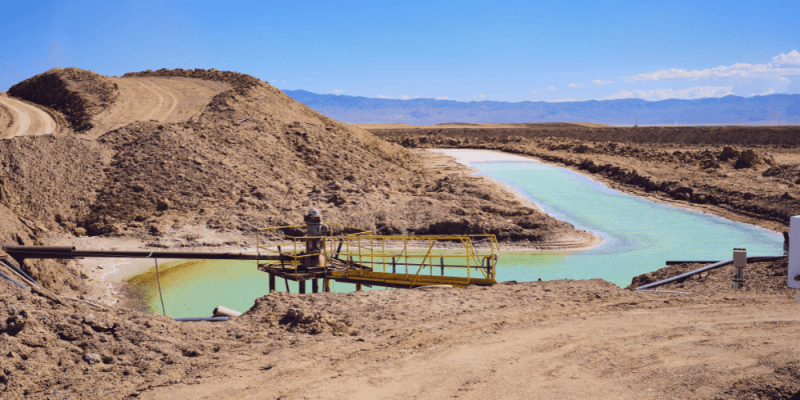
It won’t have escaped most investors’ attention that lithium continues to reign supreme as the market’s hottest commodity. Lithium stocks such as Pilbara Minerals (ASX:PLS) and Allkem (ASX:AKE) are once again amongst the strongest performers on the ASX year to date.
As with all investment themes, it’s worth delving deeper than the lithium headlines and associated stock outperformance to understand the longer term investment case.
Throughout 2022, investors were reminded by a number of market experts that most commodities were in chronic undersupply. “Buy the chemical table”, was the advice given by more than one strategist who believed we were at the start of a new commodities supercycle.
Uranium is a commodity which tends to inspire impassioned debate amongst investors and the population at large. Some remember Chernobyl and Fukushima and retain a blanket negativity toward nuclear energy and uranium as a result.
It’s been used as a symbol of prestige and authority for thousands of years. The earliest coins minted by a central bank were made from gold. It has applications in electronics, dentistry, aerospace and medical industries.
Demand for gold as a decorative item hasn’t waned since the time of Ancient Egypt.
But given most gold is just hoarded in the vaults of central banks, is it actually useful?