The Bigger Picture - June 2026
Simon Turner
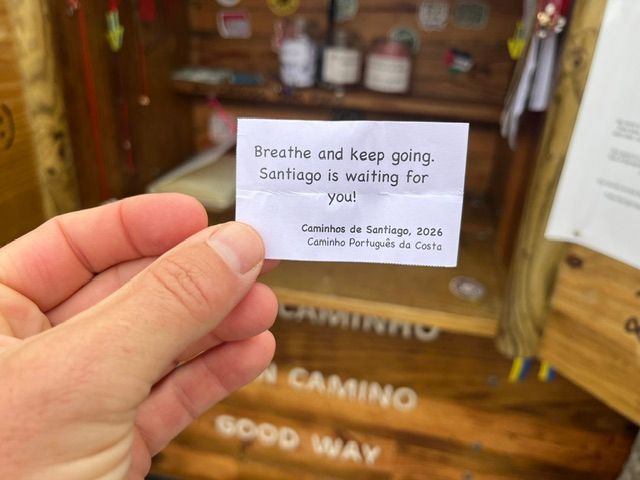
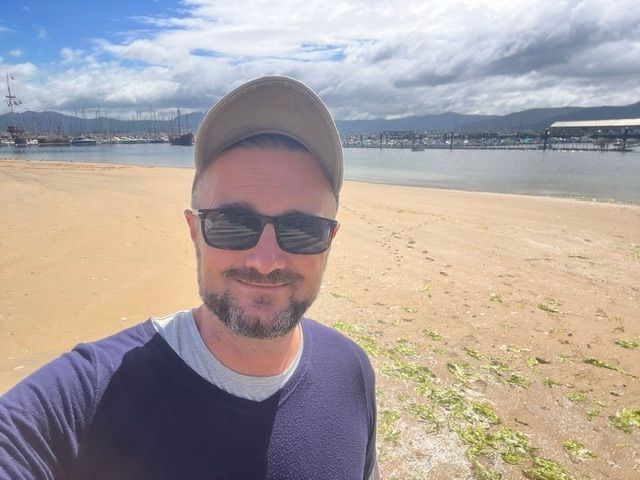
Fri 5 Jun 2026 5 minutesI’m just back from hiking the Camino through Portugal and Spain. I walked into Santiago de Compostela a few days ago with tight calves, aching knees, and a gloriously clear mind.
After walking over 400 kilometres, what struck me most was the dramatic contrast between the noise dominating news headlines and the mood of the many people I’d met on the journey. Despite the rising cost of living, political dysfunction, geopolitical mayhem, housing stress, and AI fears, most pilgrims were driven by a sense of hope for the future. In the meantime, they were searching for meaning, connection, or simply a break from digital overload.
That feels relevant for investors right now.
Global markets in 2026 continue to climb a wall of worry. Geopolitical tension, rising bond yields, and an investment-unfriendly Australian Government Budget coexist alongside resilient global corporate earnings, booming tourism across Europe, and extraordinary US-led technological innovation.
Seeing the wood for the trees remains the challenge. Investors today face a relentless stream of real-time data, one-dimensional macro narratives, algorithmically amplified fear, and increasingly complex investment choices. Yet the evidence continues to show that behaviour, rather than information access, remains the greatest obstacle to long-term returns.
DALBAR’s latest investor behaviour research highlighted once again that investors continue to underperform the funds they invest in due to poor timing decisions and the multitude of emotional biases conspiring to sabotage their returns.
The solution isn’t more intelligence or forecasting. It’s the process and discipline that remove emotions from the driver’s seat, thus ensuring your intentions remain connected to your goal.
Oddly enough, the Camino reinforced the same principle.
Few people hike 40km a day just by reading a guidebook. It takes daily commitment, even when it’s pouring with rain, a bus soaks you through by hurtling through a nearby puddle (true story), your body aches, and you make navigational mistakes (confession: we got completely lost many times).
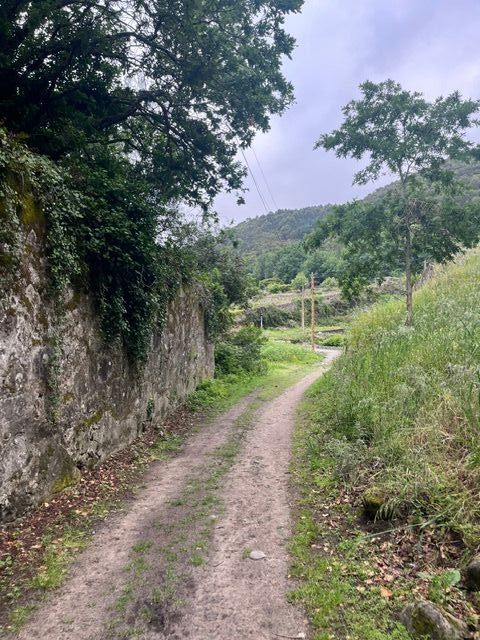
Thankfully missteps don’t matter so much if you remain focused on your long-term goal. When they occur, you just need to pause to reorient yourself.
Investing works similarly. The investors who succeed over decades aren’t usually those making brilliant tactical calls every year.
They’re the ones who keep going.
Committing to the journey depends upon portfolio resilience, core-satellite portfolio design, keeping it simple, and tax-aware investing. The common thread is intentionality. Successful investors integrate systems designed to survive uncertainty rather than reacting emotionally to it.
This matters because uncertainty has become structurally embedded within markets.
Take the uncertainty created by rising global interest rates, for example.
Higher yields are no longer simply signalling inflation fears. They’re also reflecting stronger nominal global growth expectations, AI optimism, and compensation for the risks created by the massive government fiscal deficits reshaping capital markets globally.
AI popped up in a lot of conversations throughout the Camino. Almost everyone seemed fascinated and anxious in equal measure. Many feared mass unemployment and a world changing faster than global institutions can regulate. Others viewed it as the next great productivity revolution. One Canadian fellow I met felt most employers would initially lose some staff ahead of hiring them back under different job titles.
Investors face the same questions. The AI opportunity is enormous, but so is the temptation to abandon discipline in pursuit of momentum-driven narratives. Yet, fundamentals matter for AI-related stocks as they do for all other sectors.
Correctly framing the goal of wealth generation was another timely observation from Camino.
Some of the pilgrims I met had already achieved the financial outcomes most people spend their lives chasing. Some had sold businesses. Others had accumulated significant wealth through property, entrepreneurship, or investing. Yet many openly admitted that wealth itself hadn’t delivered the fulfilment they’d expected. Several described periods of depression, substance addiction, or disconnection that followed their financial success.
That conversation stayed with me because it provides valuable context for the investing journey.
A healthy relationship with money matters enormously. Financial security creates optionality, resilience, and freedom. A thoughtfully constructed portfolio can absolutely improve long-term quality of life. But wealth isn’t the destination. It’s just the infrastructure needed to support the life you actually want to live.
Perhaps that’s why long-term investing ultimately resembles a pilgrimage more than a competition.
Both require patience. Both involve setbacks. Both demand faith in a process long before the outcome becomes visible. Both punish emotional overreaction. And both become much richer when shared with others.
The investors most likely to thrive over the coming decade and beyond are unlikely to be the ones chasing every thematic trend, obsessing over macro headlines, or recoiling from political outrage.
They are likely to be the ones who maintain diversified portfolios, automate their investing, rebalance systematically, think globally, remain tax-aware, and continue investing through multiple cycles.
They’ll be the ones who keep walking towards their goal regardless of the noise.
Time is short. Relationships matter. And disciplined compounding remains one of the few genuinely reliable pathways to a more resilient and meaningful financial life.
Simon Turner,
Editor
Disclaimer: This article is prepared by Simon Turner. It is for educational purposes only. While all reasonable care has been taken by the author in the preparation of this information, the author and InvestmentMarkets (Aust) Pty. Ltd. as publisher take no responsibility for any actions taken based on information contained herein or for any errors or omissions within it. Interested parties should seek independent professional advice prior to acting on any information presented. Please note past performance is not a reliable indicator of future performance.
Simon Turner is an ex-fund manager with 20 years investing experience gained at Bluecrest, Kempen and Singer & Friedlander who now writes educational content about investing and sustainability. He's also the published author of The Connection Game and Secrets of a River Swimmer.